


_png%20TRANS.png)
Is Your Business Compliant with TR19 Standards for Extraction Cleaning?
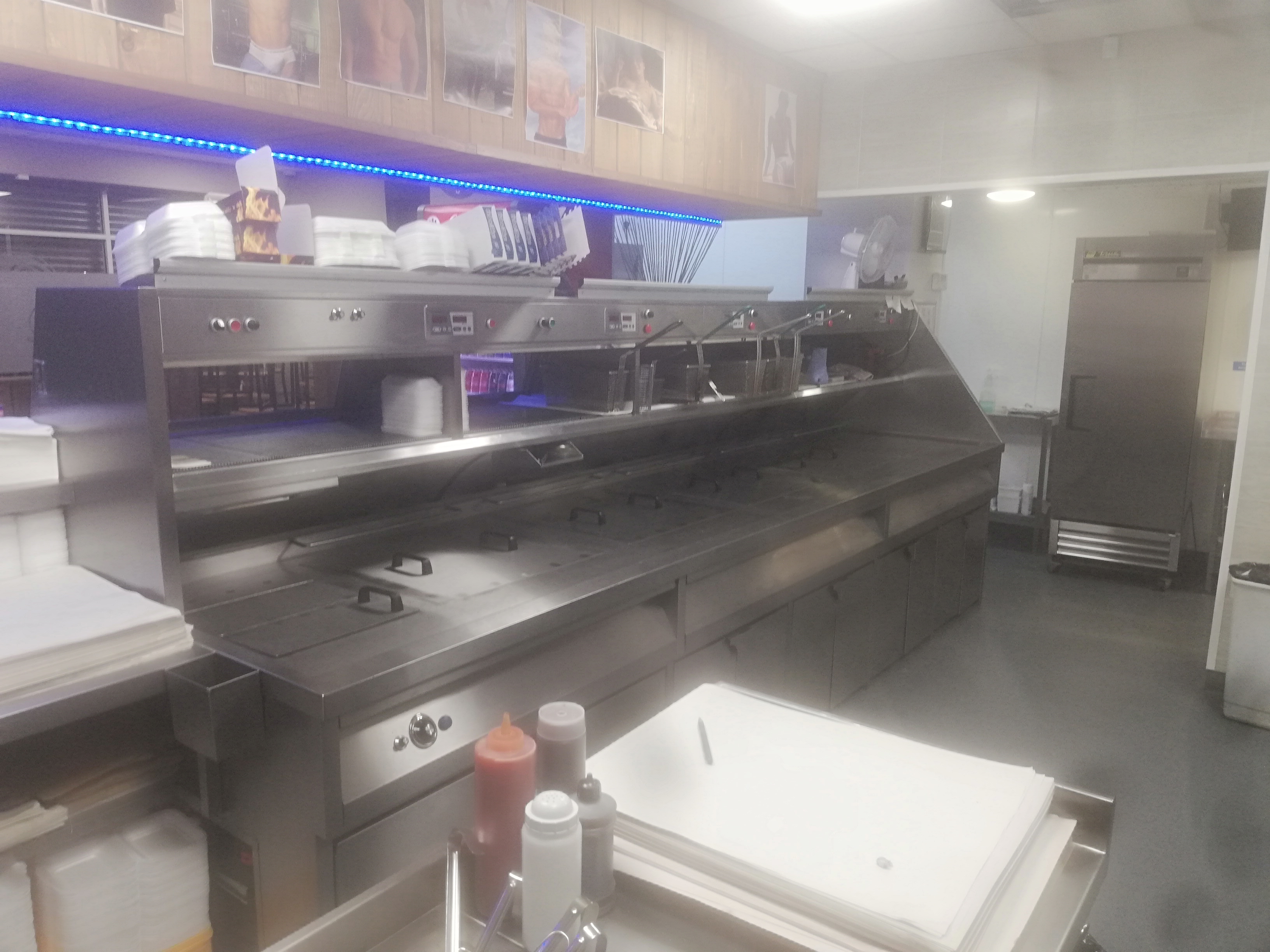
Meeting TR19 standards for extraction cleaning protects your property, employees, and customers from fire risks due to grease and dust in kitchen extraction systems. Many businesses overlook these standards, risking safety hazards and penalties. This post covers what TR19 standards entail, the importance of compliance, and practical steps to maintain code adherence.

What Are TR19 Standards?
TR19, published by the Building Engineering Services Association (BESA) in the UK, provides guidance on cleaning and maintaining commercial kitchen extraction systems to reduce fire risks from grease deposits.
The report covers:
Cleaning frequency based on kitchen type and usage
Methods and standards for cleaning systems
Documentation and certification requirements
Regular safety checks and inspections
TR19 is recognized by fire safety inspectors, insurers, and regulatory bodies. Adhering to these standards demonstrates due diligence in fire prevention.
Why Compliance with TR19 Matters
Non-compliance can lead to:
Increased fire risk: Grease build-up is flammable and can cause fires.
Insurance issues: Proof of TR19-compliant cleaning is often required.
Legal penalties: Businesses may be liable for negligence.
Business disruption: Fires or violations can lead to closures and fines.
For example, a restaurant faced a fire and insurance denial due to non-compliance with TR19 standards.
How Often Should Extraction Systems Be Cleaned?
TR19 recommends cleaning based on usage:
High usage: Every 1 to 3 months
Medium usage: Every 3 to 6 months
Low usage: Every 6 to 12 months
What Does TR19-Compliant Cleaning Involve?
Cleaning includes:
Filters: Regular cleaning or replacement
Ductwork: Thorough cleaning to remove grease
Fans and motors: Cleaning to prevent build-up
Canopies and hoods: Surface cleaning
TR19 Certificate and Report
After service, we provide a TR19 certificate and photographic report for compliance.
These are essential for inspections and claims.
Practical Tips for Maintaining Compliance
Schedule inspections: Regular checks prevent build-up.
Stay updated: Be aware of TR19 revisions.
What Happens If You Are Not Compliant?
Non-compliance can result in:
Fire safety notices or enforcement actions
Voided insurance policies
Increased fire risk
Reputational damage and financial losses
TR19 compliance is crucial for managing fire risks and maintaining safety. Regular cleaning, documentation, and working with professionals ensure your system's safety and efficiency. Review your cleaning schedule to meet these standards and protect your business.


Comments